
01Saavedra.
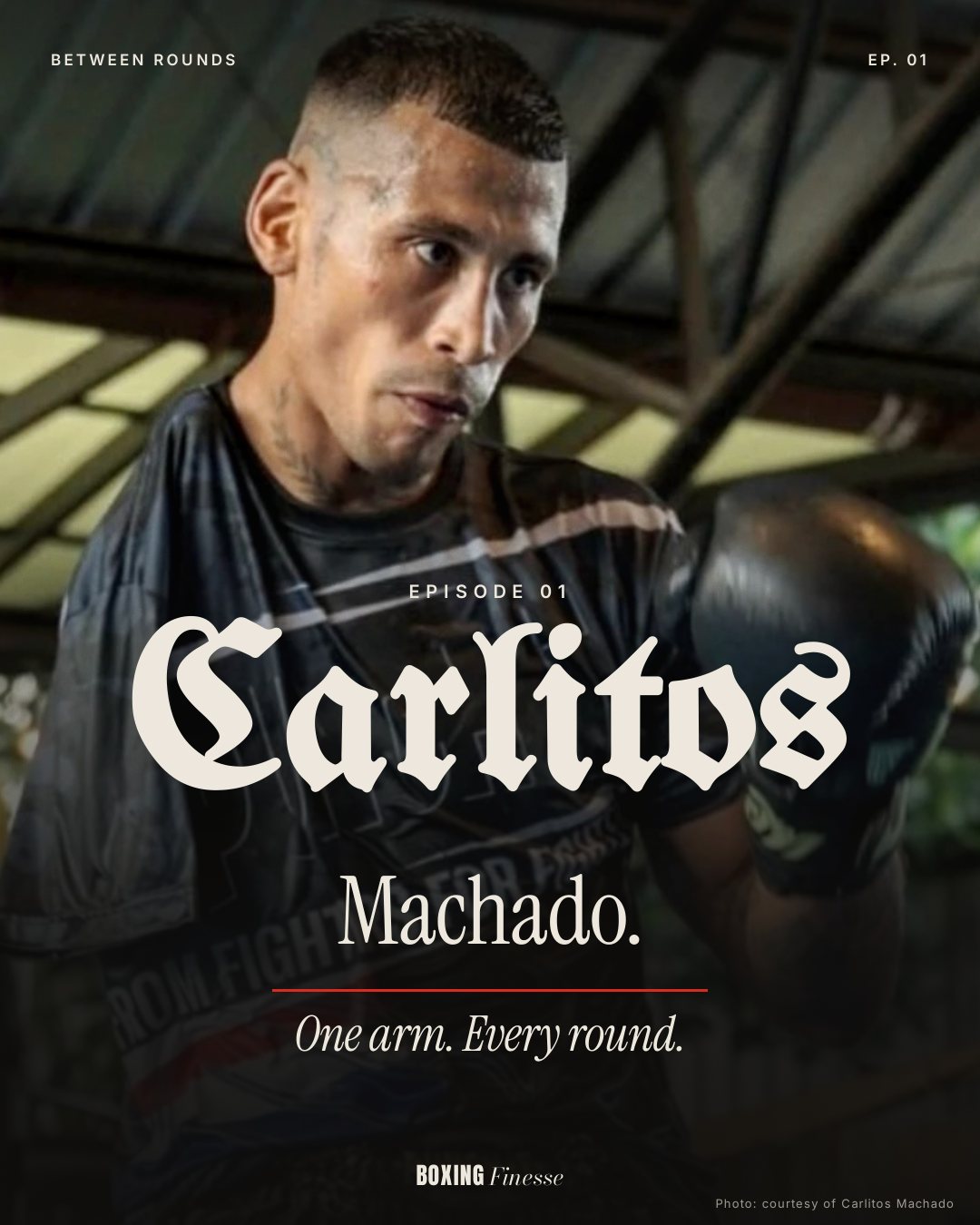
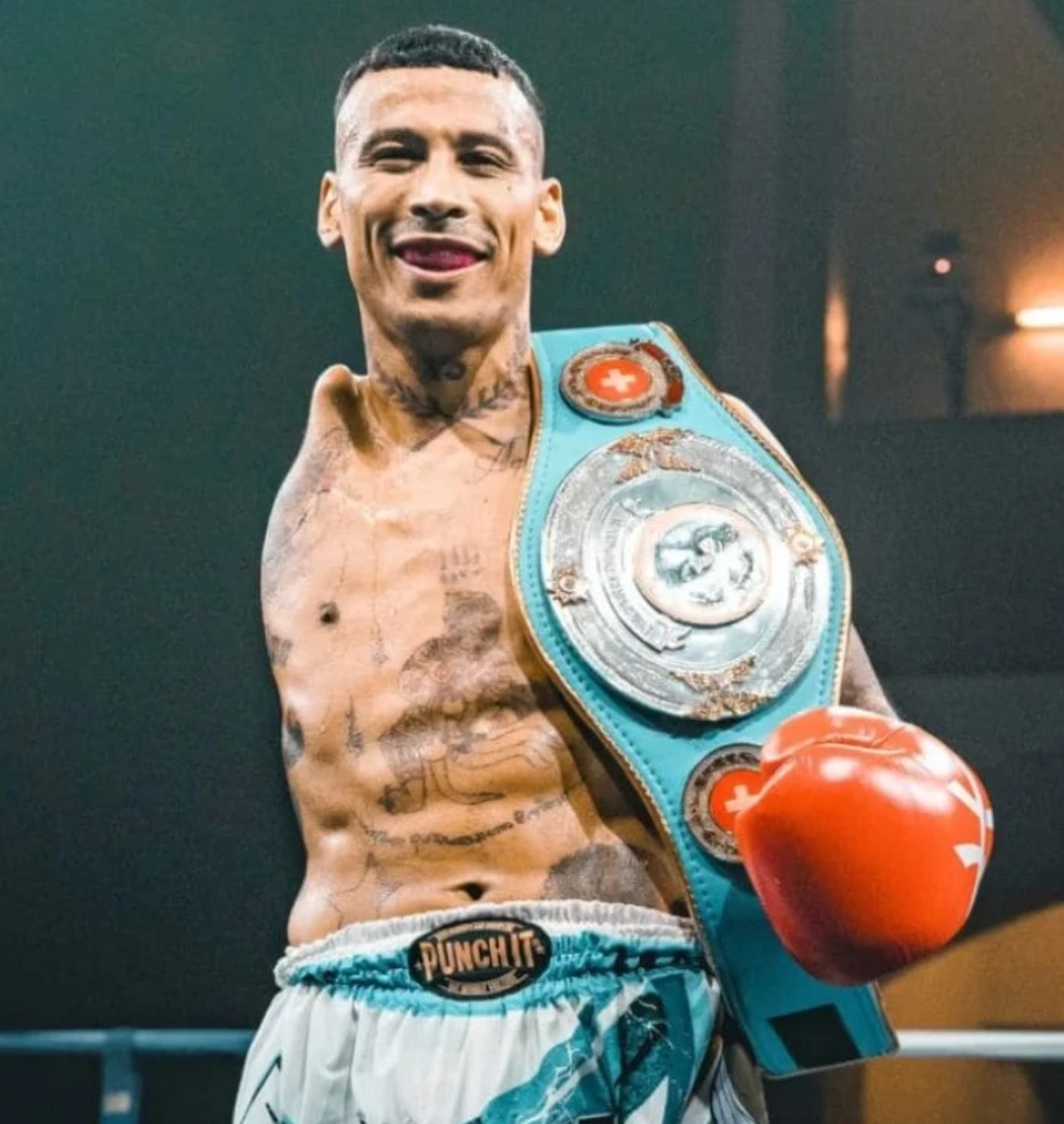
Carlitos Machado was born and raised in Saavedra, a barrio on the northern edge of Buenos Aires. The first fights he remembers were not on television and not in a gym. They were Bruce Lee films, watched again and again until the moves were his.
Between Rounds is our series about the people who keep going, and the science of how. We start with him because his story asks the question every fighter answers sooner or later: who decides what you are allowed to do.
02Three years old.
He was three when his right arm was amputated. What followed was a long time in hospitals, the kind of childhood measured in appointments, and a family that never left his side.
“I was three years old
when my right arm was amputated.”
03They said no.
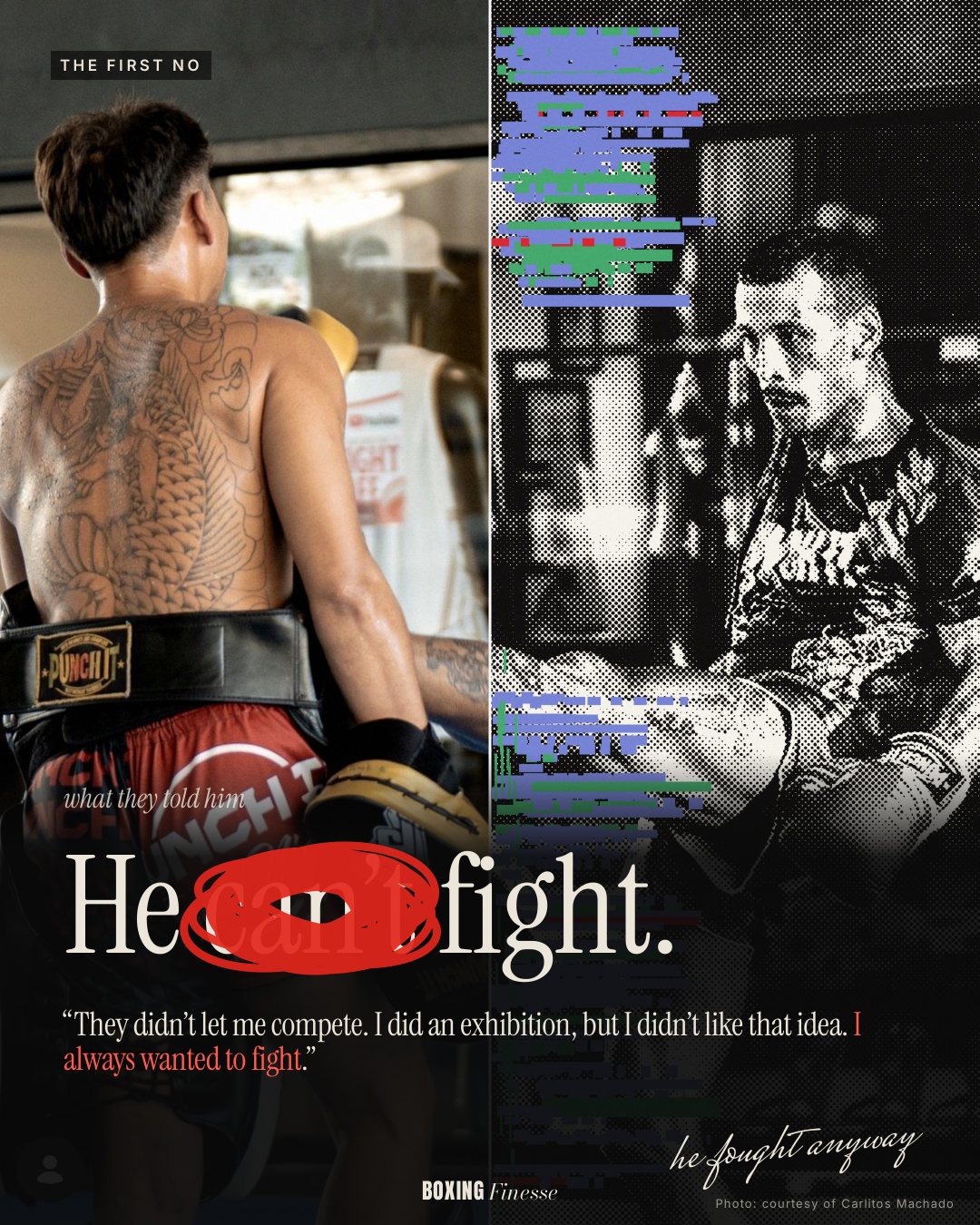
The first time he wanted to compete, they did not let him. He was offered an exhibition instead, a fight that would not count. He did it, and he hated it.
“They didn’t let me compete. I did an exhibition, but I didn’t like that idea. I always wanted to fight.” So he kept training, long enough and hard enough that the answer had to change.
04Thailand.
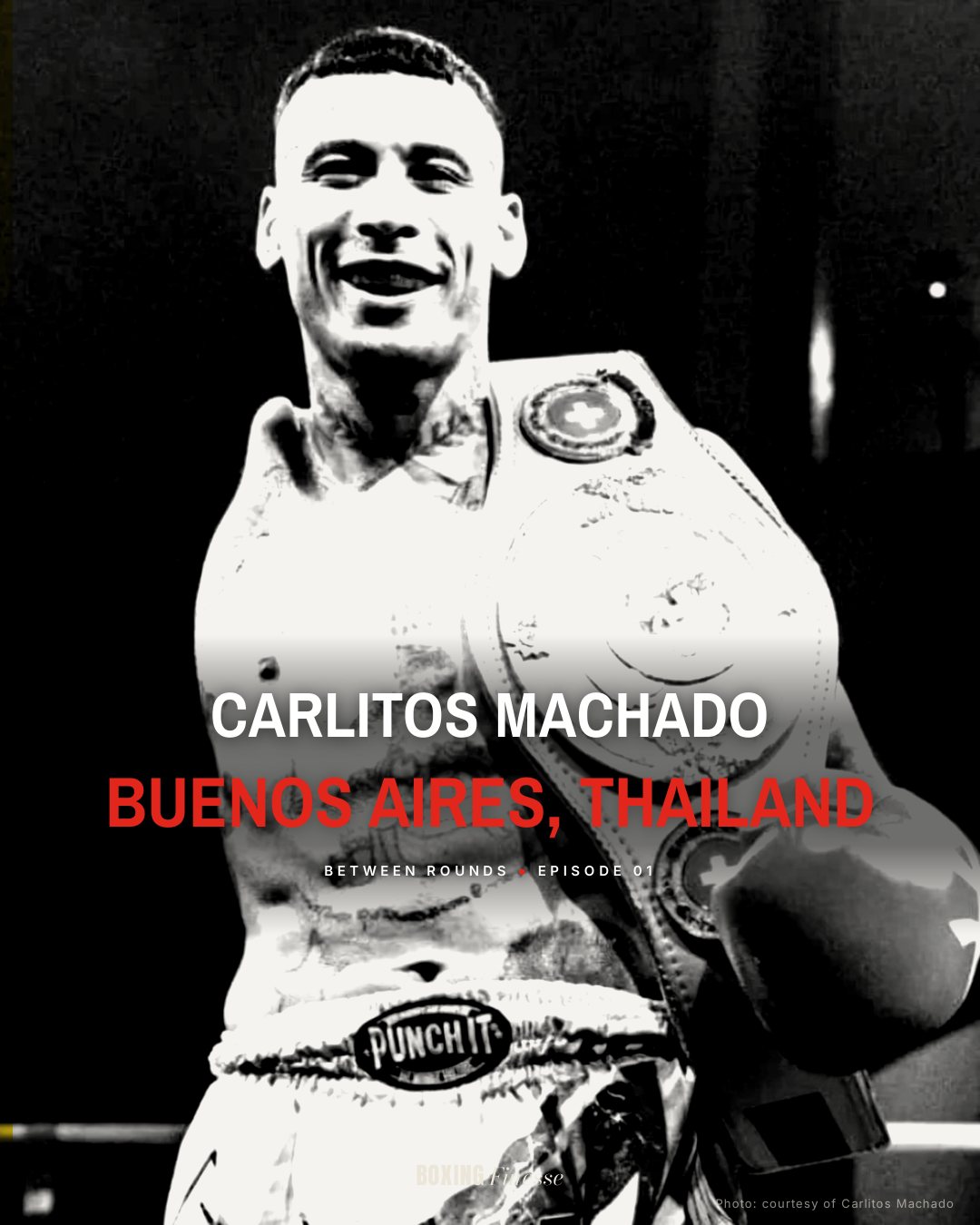
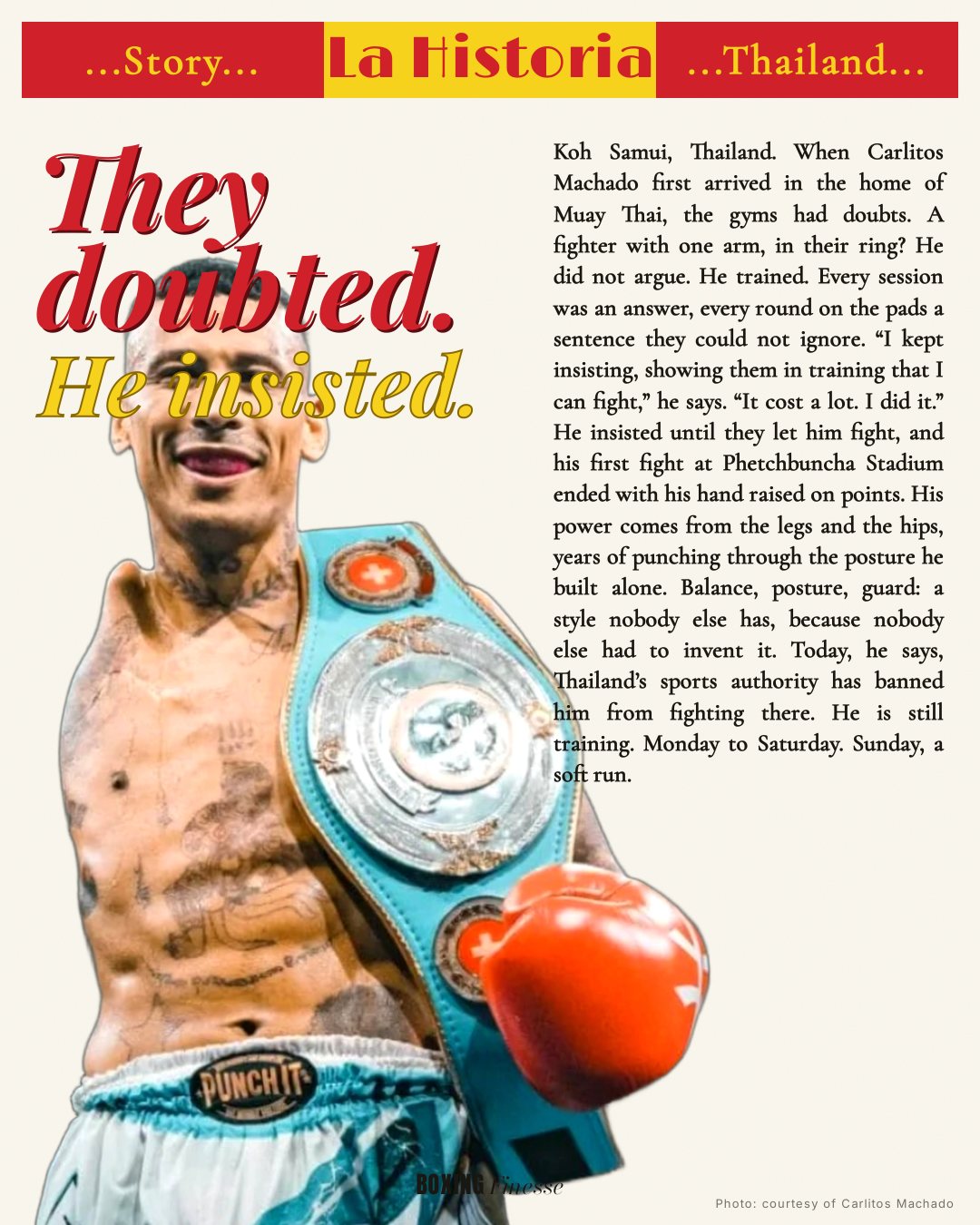
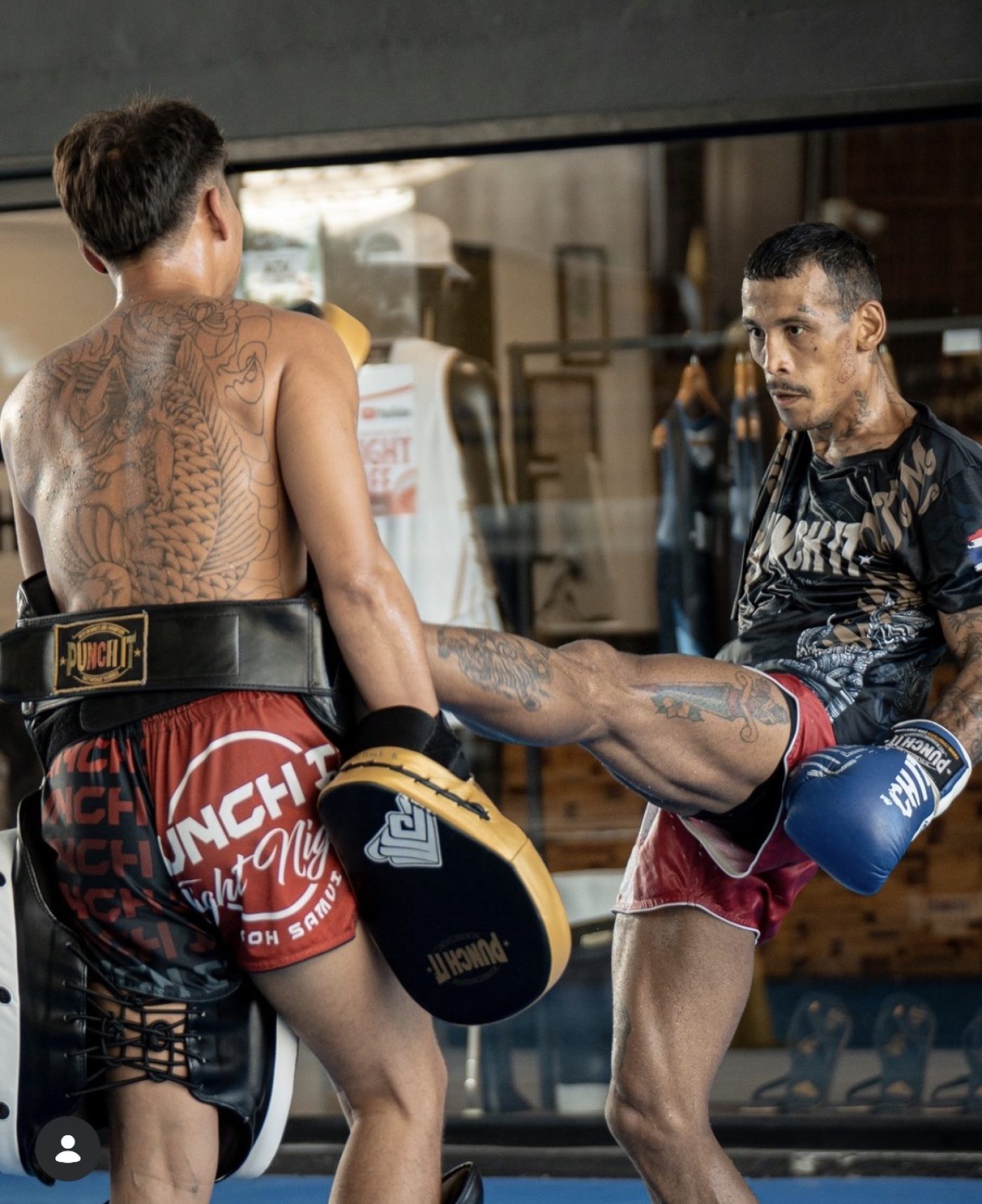
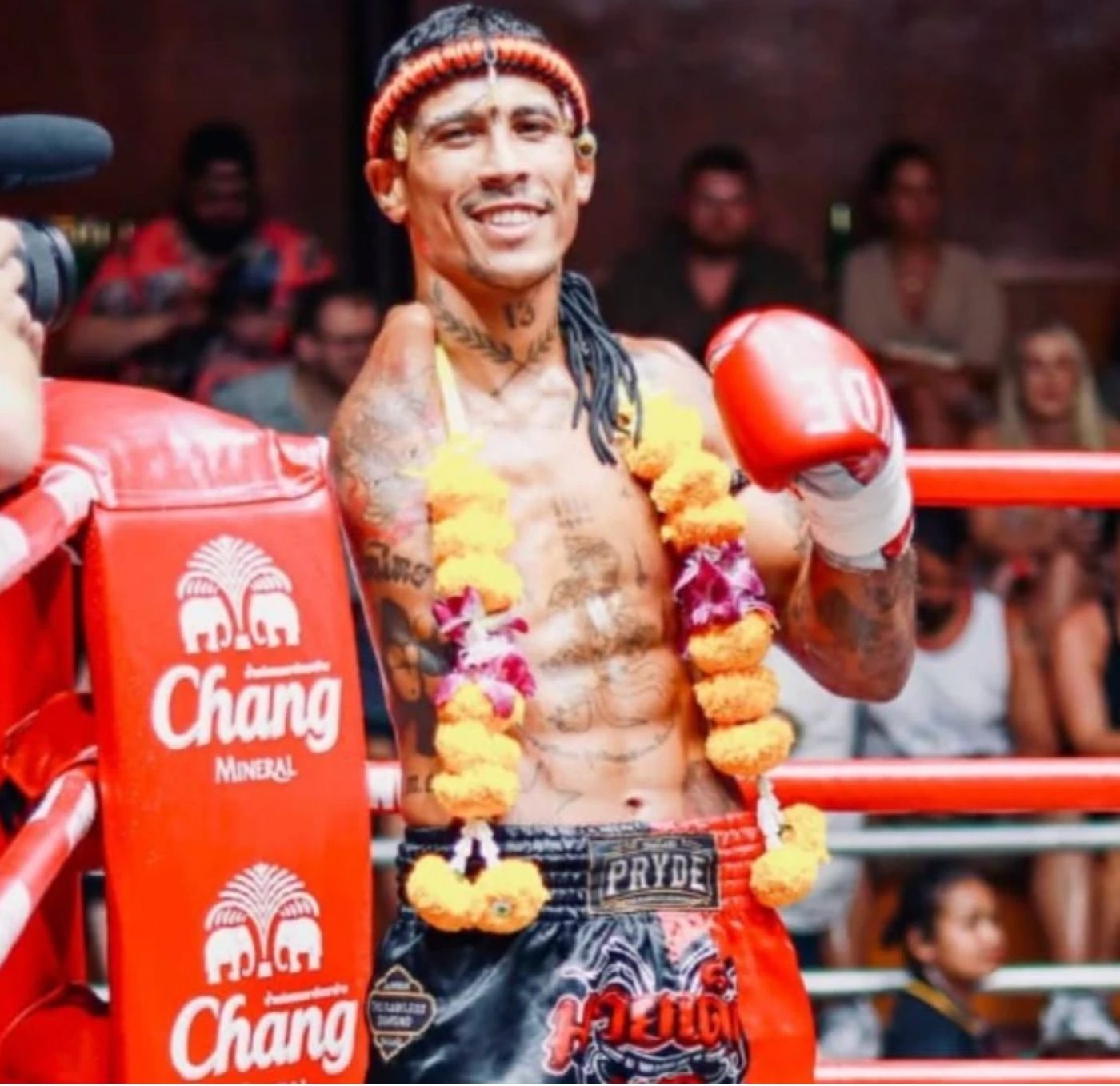
Thailand is where Muay Thai is a profession, a religion and a school all at once. When he arrived, the gyms had their doubts about a fighter with one arm. He insisted, and he answered the doubts the only way a gym respects: in training, every day.
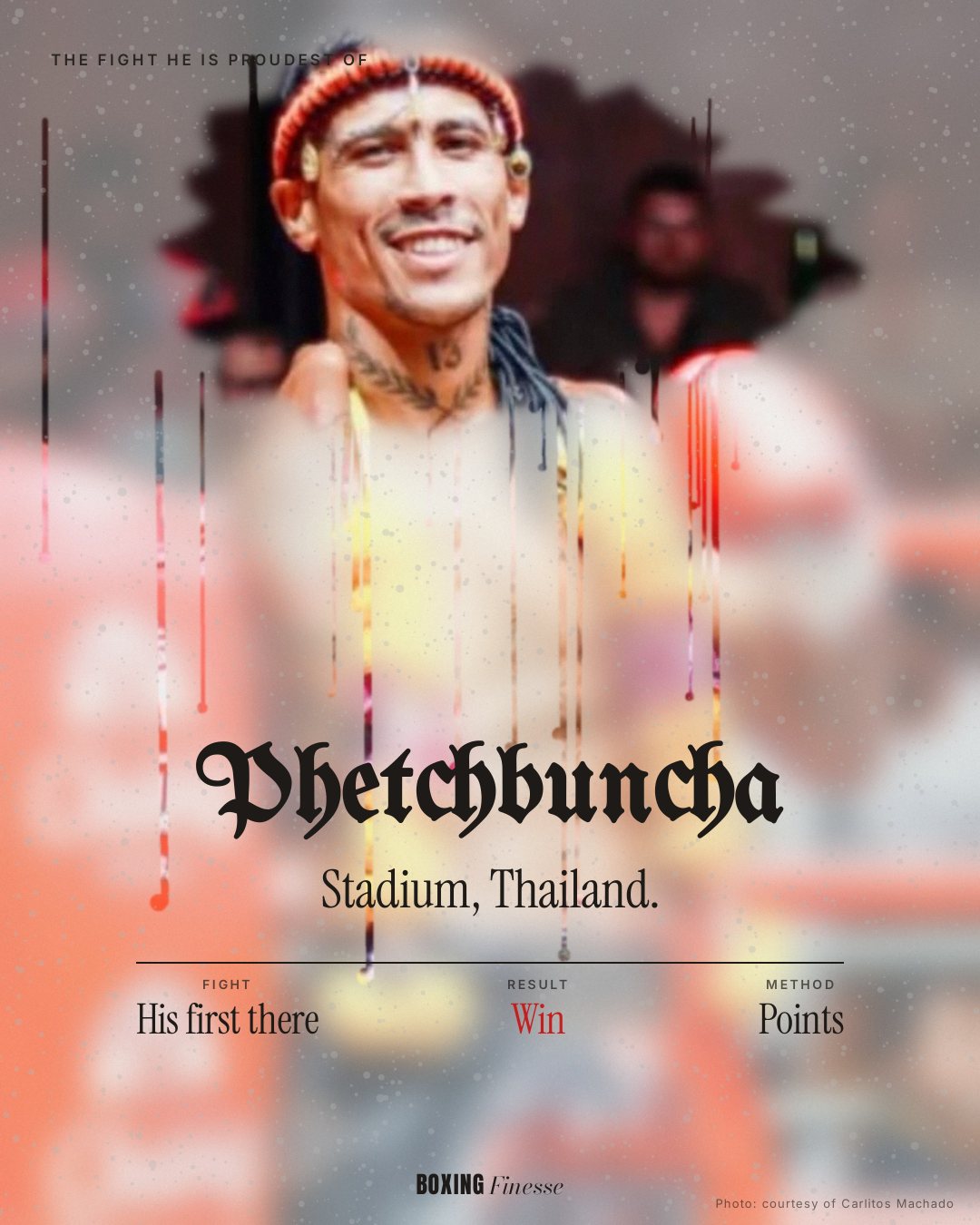
The fight he is proudest of came there, his first at Phetchbuncha Stadium. He won on points. In his own words, Thailand’s sports authority has since banned him from fighting in the country, which tells you how far the question of what he is allowed to do still reaches.
05Power.
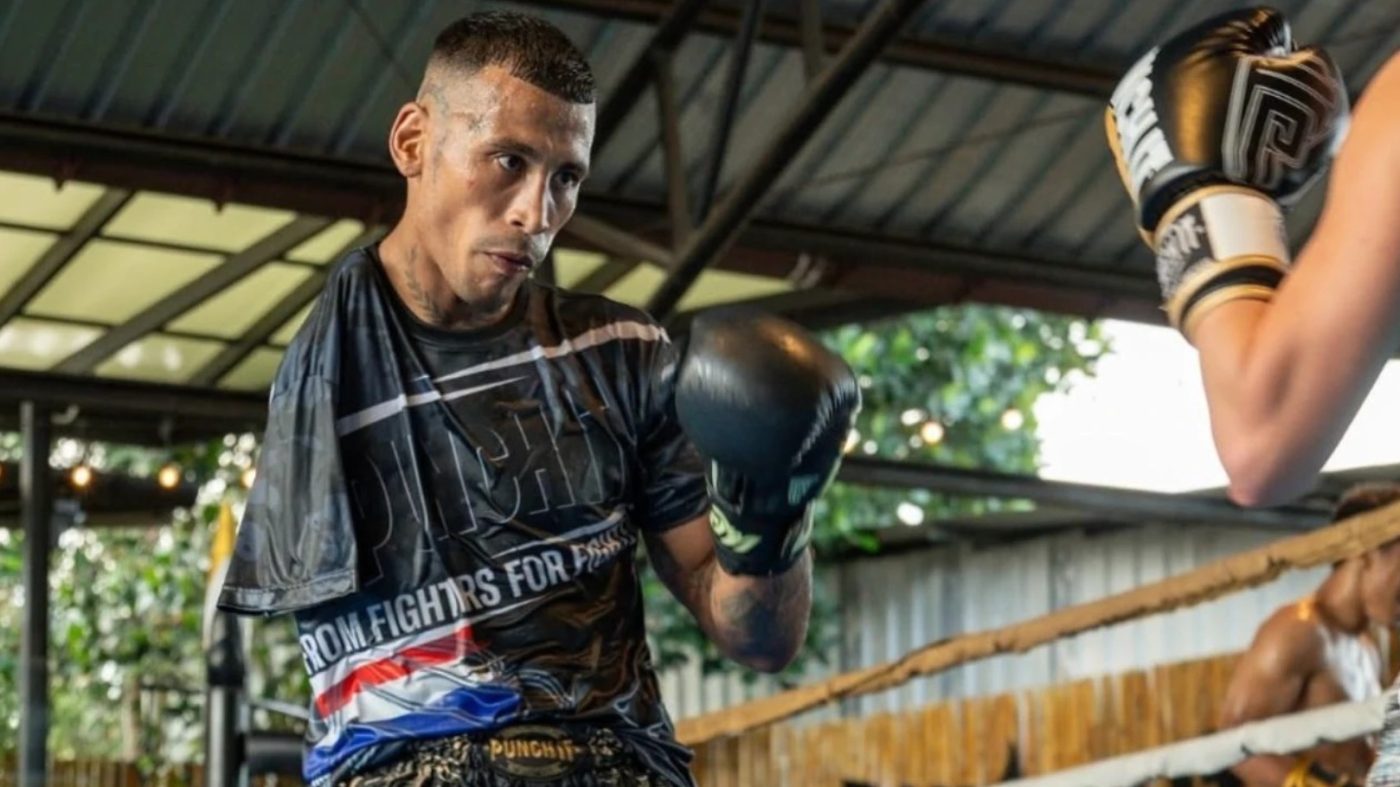
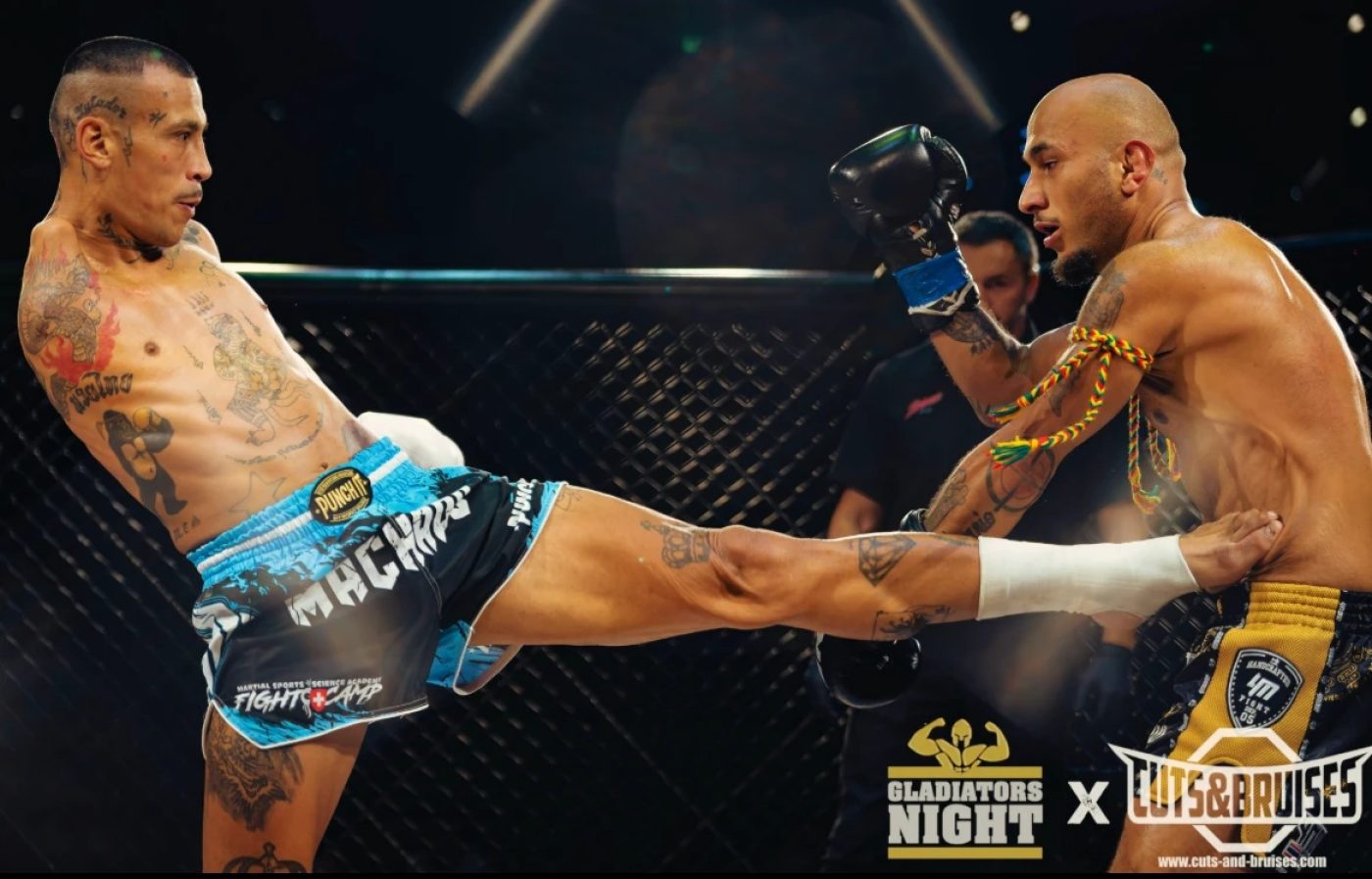
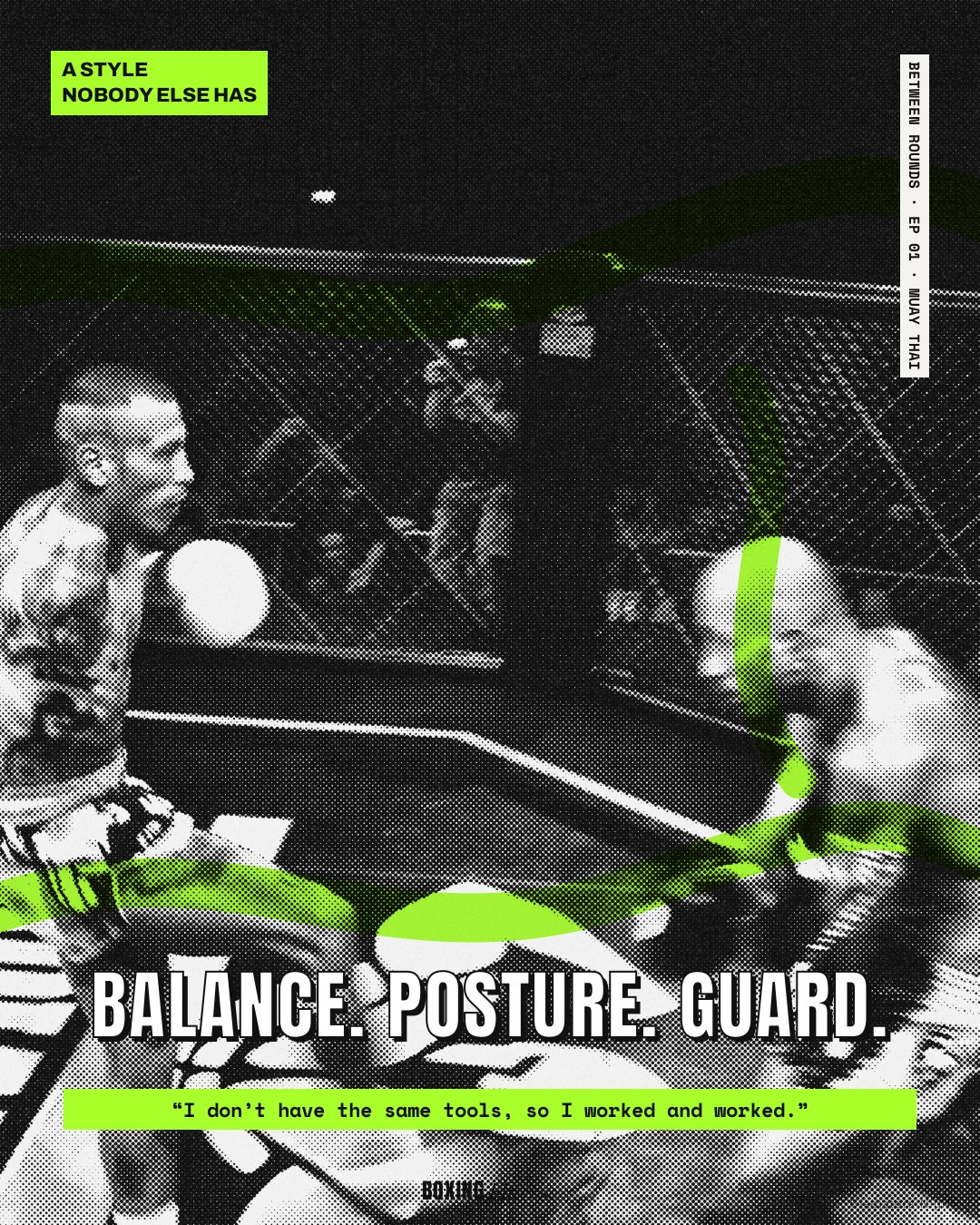
People look at the missing arm and miss where the power lives. “My power comes from my legs and my posture. Years of punching through the hip.” A punch starts at the floor. The legs push, the hips turn, the trunk passes it on and the arm delivers it.
Without a second arm he had to build his own system around that chain: balance, posture and guard. A style nobody could hand him, because nobody had needed it before.
06His week.
Monday to Saturday he trains. Sunday is rest or a soft run. Recovery is not a gadget: he sleeps, he eats well and he keeps moving.
The injuries came when he asked too much of his body. They taught him the most useful skill in a long career, which is to listen to it before it shouts.
07Fear.
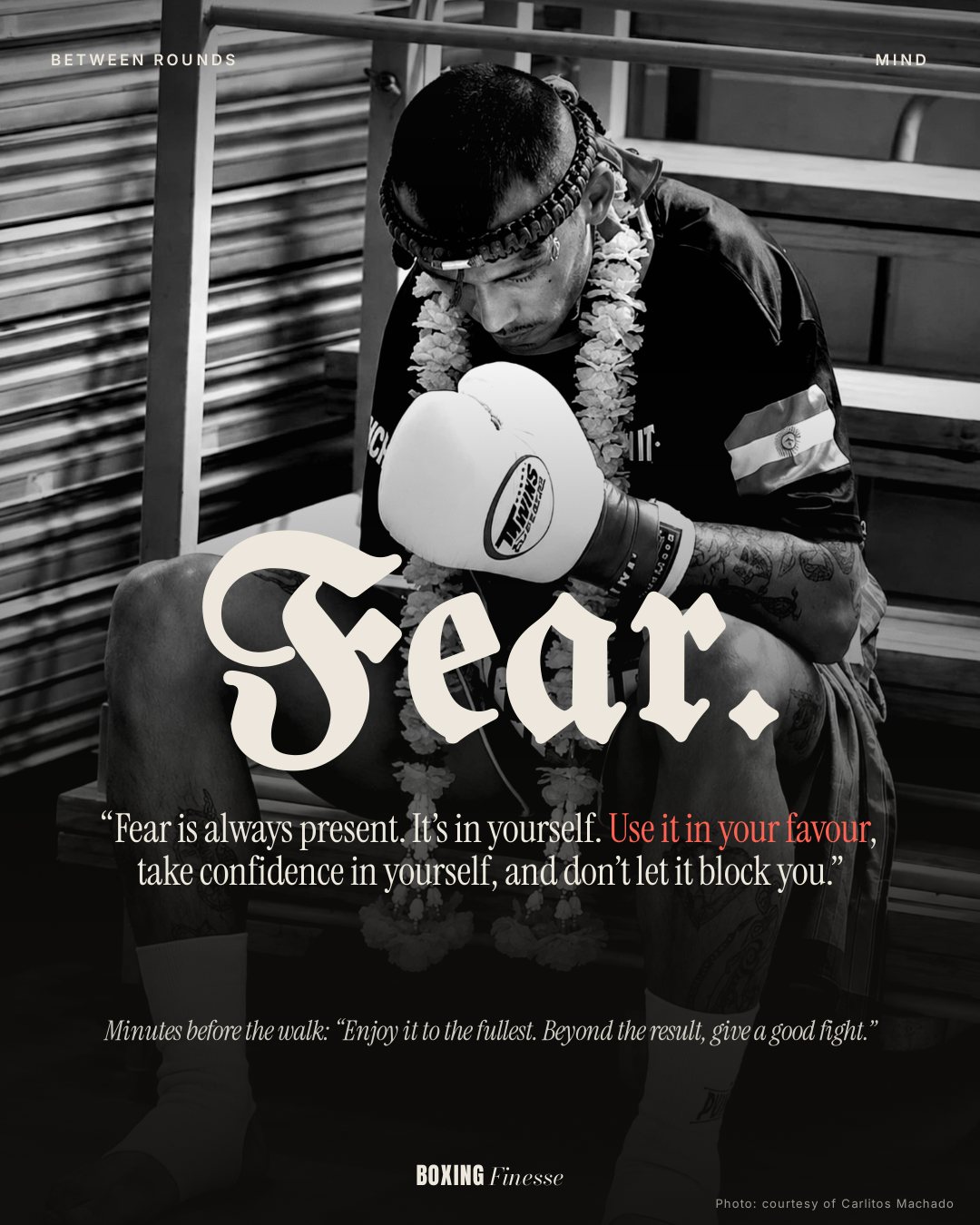
Before the walk he wants one thing: to enjoy it, and to give a good fight beyond the result. Fear comes along anyway.
“It’s in yourself. Use it in your favour, take confidence in yourself, and don’t let it block you.”
“Fear is always present.
Use it in your favour.”
08The song.
His walkout song is called Fight. Nobody sold it to him. “My best friend made it for me.”
09Ahead of time.
Ask him what people get wrong and he does not talk about the arm. “People judge me ahead of time instead of seeing what I do, or what I can do.”
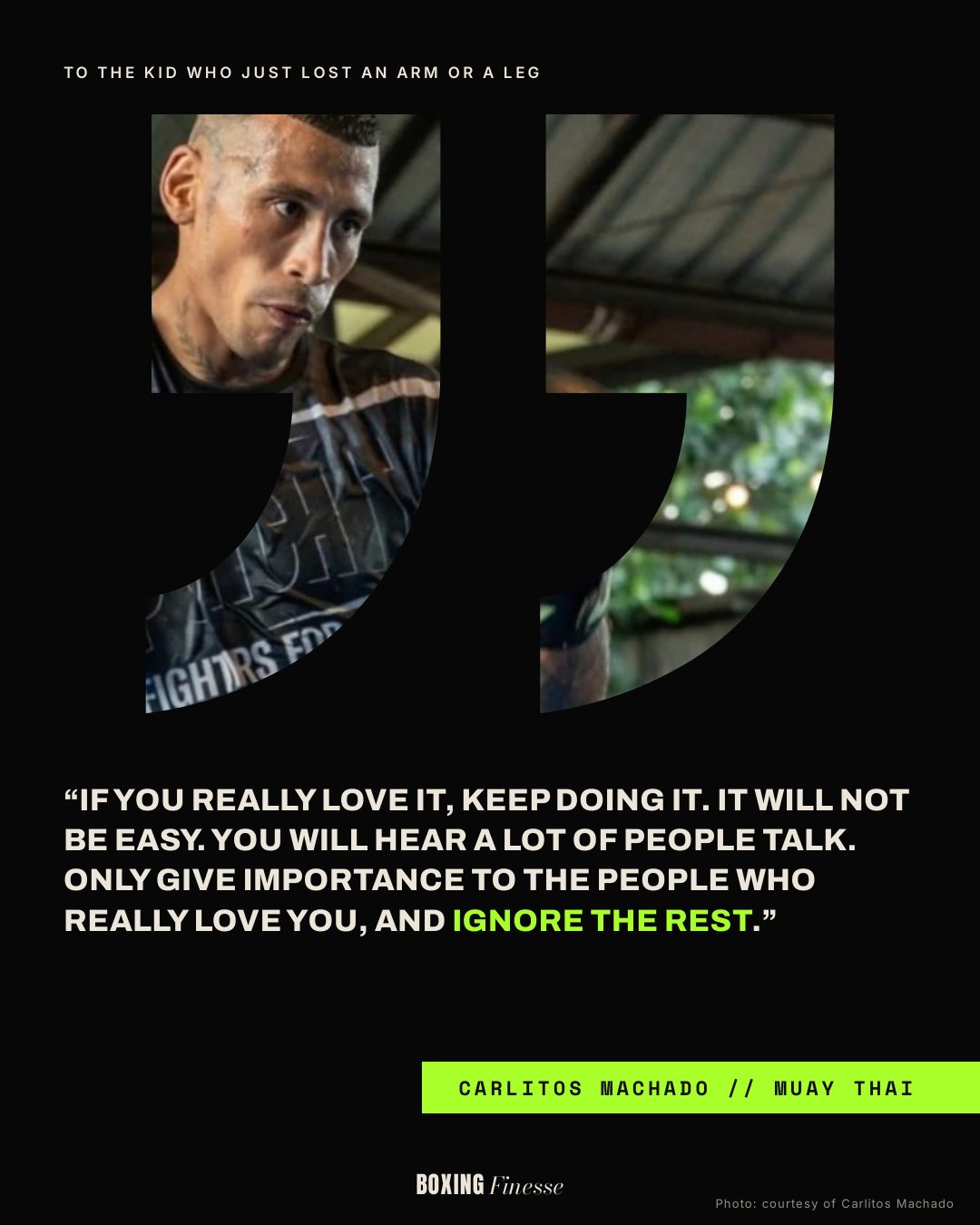
And to a kid who has just lost an arm or a leg and still loves sport, he says this.
“Only give importance to the people who really love you,
and ignore the rest.”
10Two homes.
“To train hard and learn a lot, Thailand is the best place. To be with family and friends, nothing better than Argentina.” He lives between the two: the country that taught him the craft and the barrio that made him.